Manash Talukdar joined the art college, College of Art, Delhi, in the year 2008. Since joining this prestigious institution, he already had a unique style of painting that set him apart from his peers, allowing them to easily recognize his distinctive approach to art. His work was characterized by bold colors and innovative techniques that captured the essence of his subject matter in a way that resonated deeply with viewers. However, this individuality presented challenges, as conventional academia often emphasizes adherence to a rigid academic structure. In many art schools, the development of individual styles is viewed as an imperfection, leading to a discouragement of creative flair in favour of standardized methods. Despite this opposition, Manash remained committed to his artistic journey, believing that true art should reflect the artist’s personality and vision rather than conforming to traditional norms. This relentless pursuit of his own voice in the midst of conventional constraints marked the beginning of his long path towards artistic authenticity and recognition.
He was a quick learner but arrogant in his approach, often dismissing the importance of subjects that did not catch his interest. His arrogance was clumsy at times, which earned him very low grades in class, leaving his teachers shaking their heads in frustration. During lecture sessions, especially in theoretical classes like History and Aesthetics, he would often murmur a song to himself, repeating the lyrics, “I don’t know much about History, don’t know much about Geography.” This habit seemed to reflect his indifference to the topics covered, yet deep down, there was a flicker of awareness about his shortcomings. However, he was acutely aware of his love for art; that passion was where he truly found joy and inspiration. It was in the strokes of a brush, the vibrant colors on a canvas, and the intricate details of a sculpture that he felt most alive. That loving art and his unwavering passion became the source of his kicks, driving him to pursue creativity with an intensity that overshadowed his lack of interest in traditional academics.
He would arrive late at college and used to smoke and drink inside the college, reveling in the carefree atmosphere that surrounded him. He was basically having the time of his life during the college days,
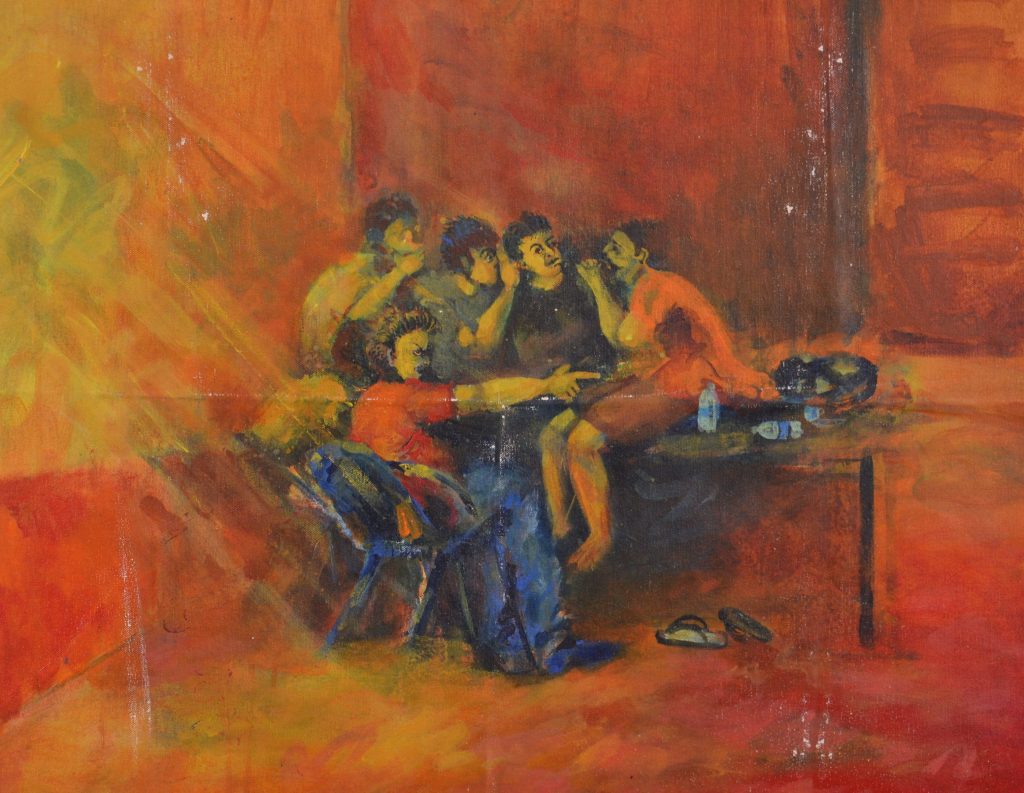


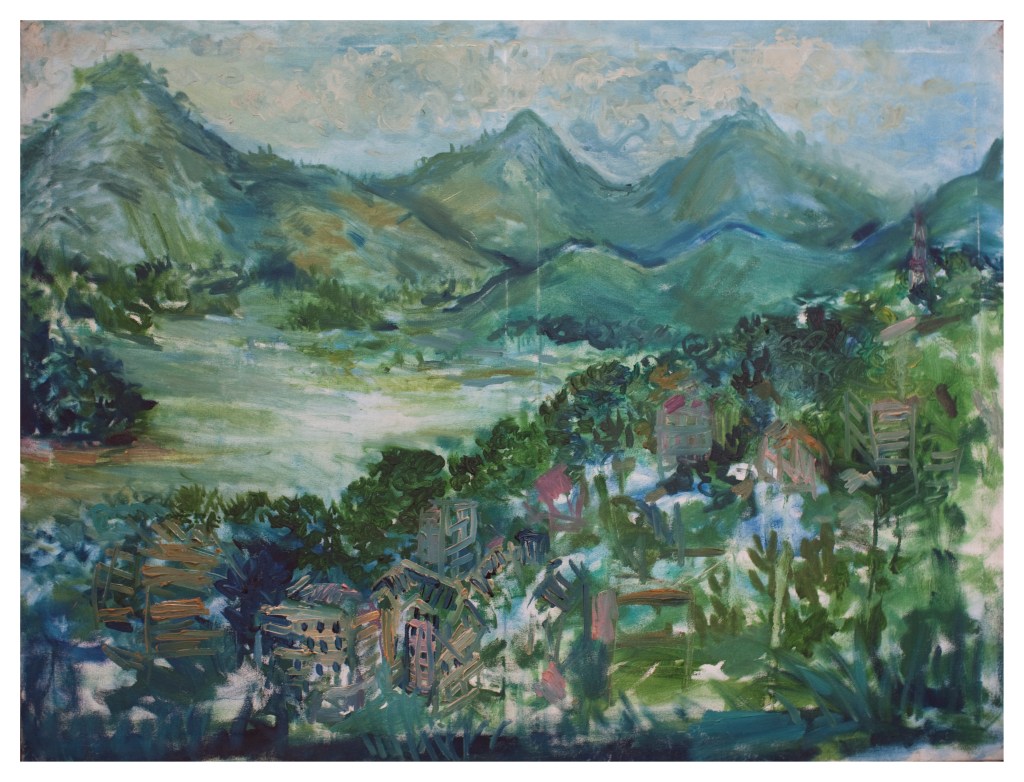

embracing every moment with a sense of adventure. He was mostly spending time with his seniors who were out as well, enjoying their tales of past escapades and life lessons, which made him feel like a part of something bigger. His friendship in his batch was limited, as there was no one like him in his batch who was as laid back as him, often leading him to seek solace in the company of those older, who understood his free-spirited nature and encouraged his love for spontaneity. It was a unique experience, filled with laughter and late-night conversations, as he wandered through the vibrant campus, feeling a deep sense of belonging among a circle that appreciated his unconventional approach to life.
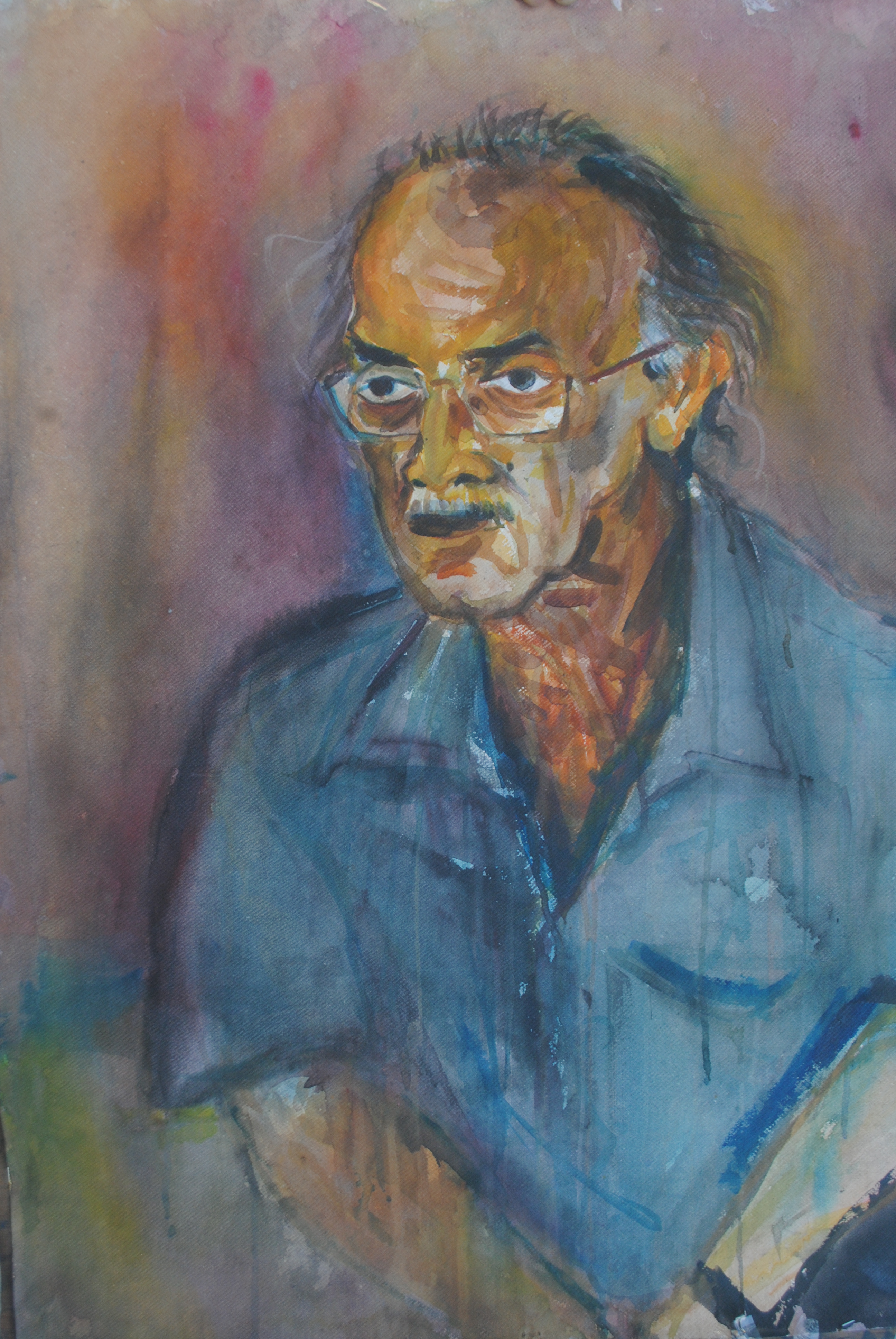

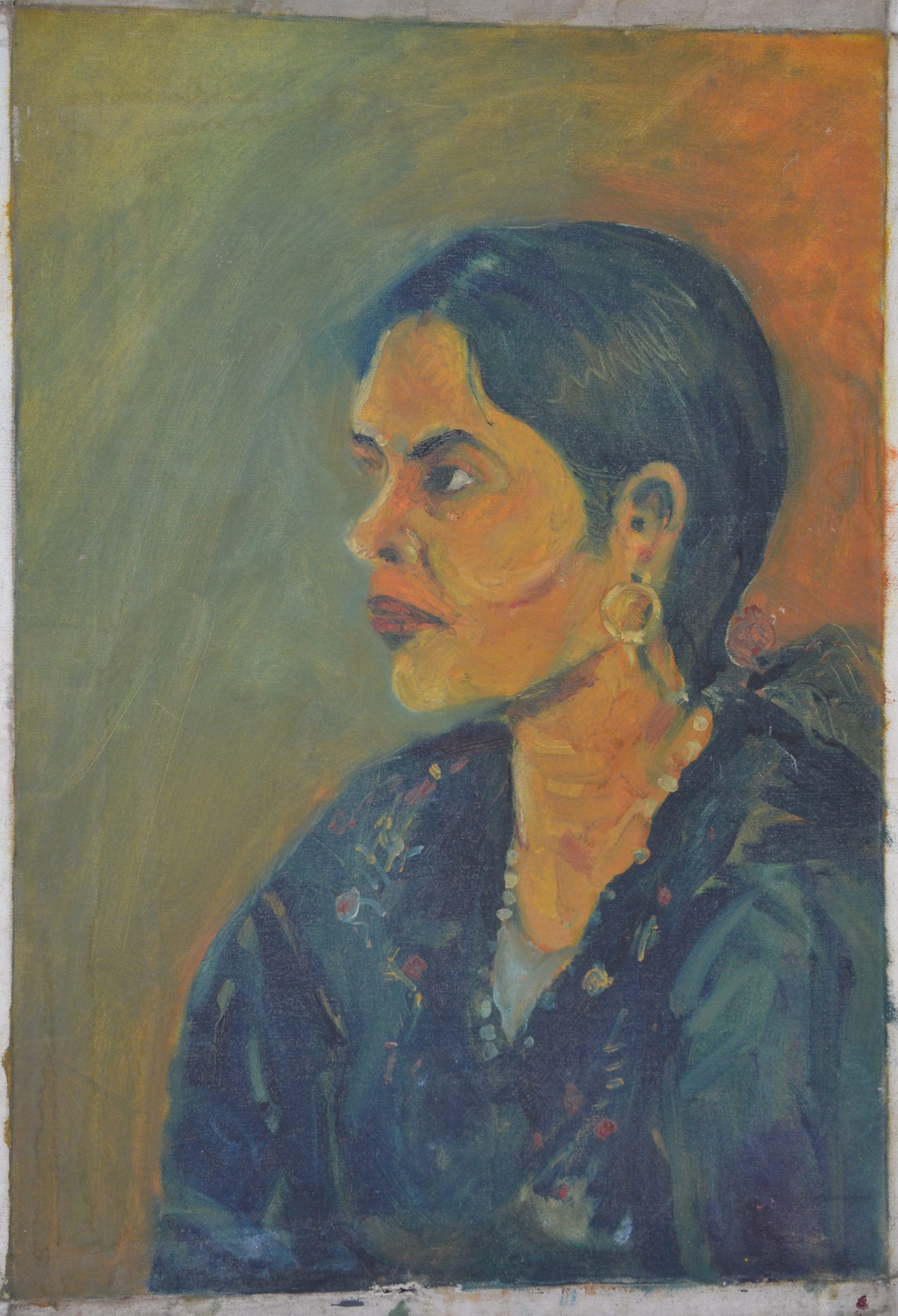

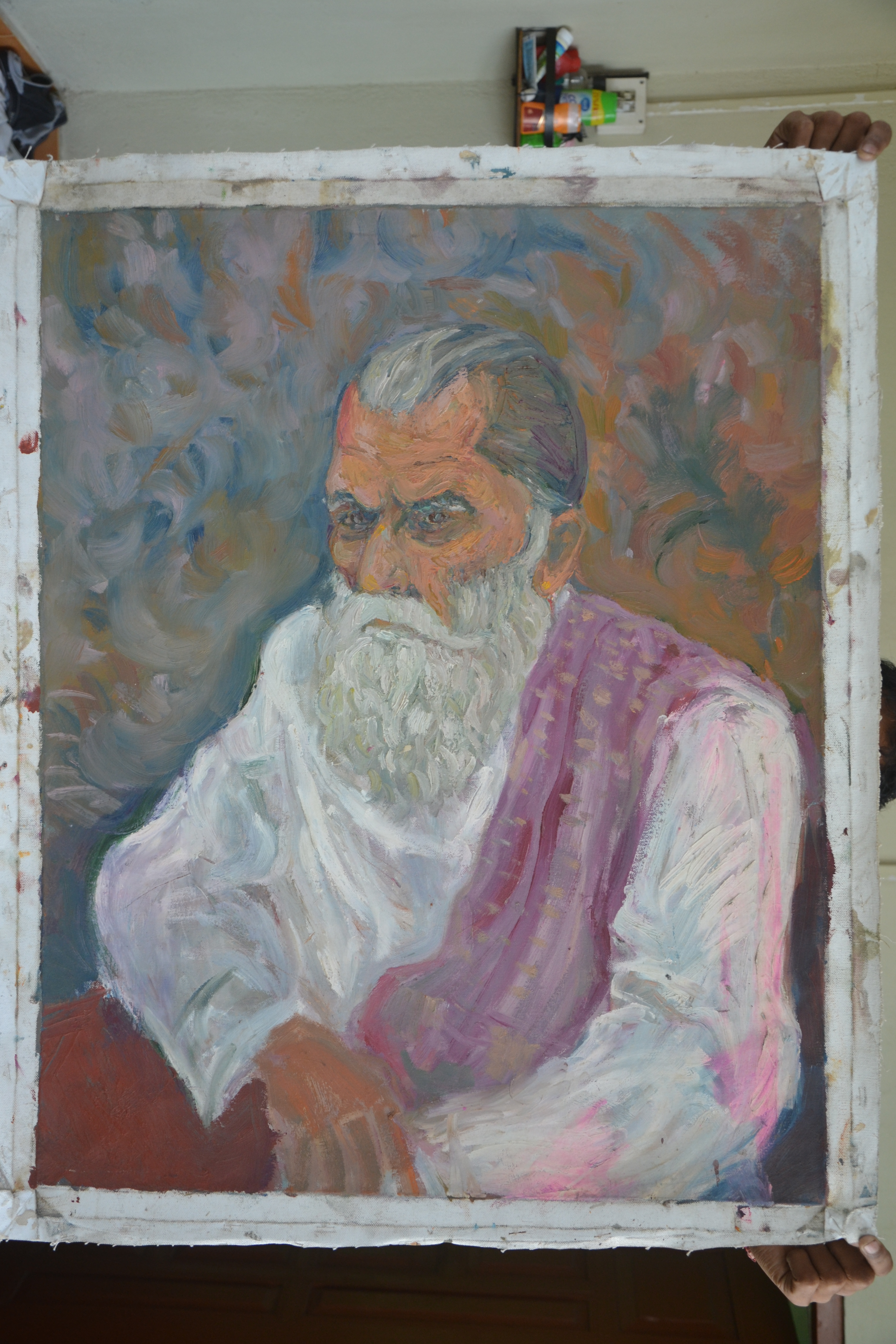
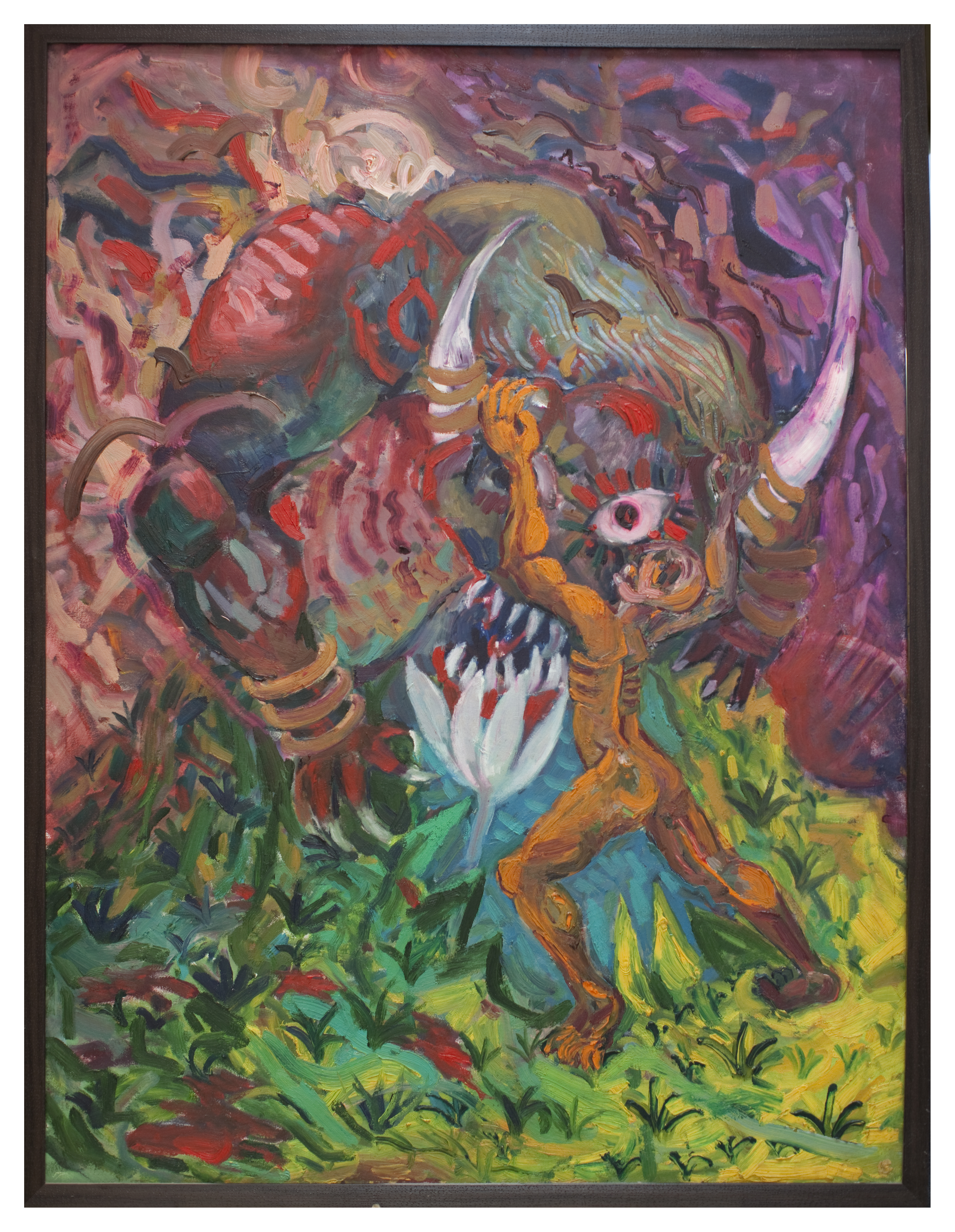
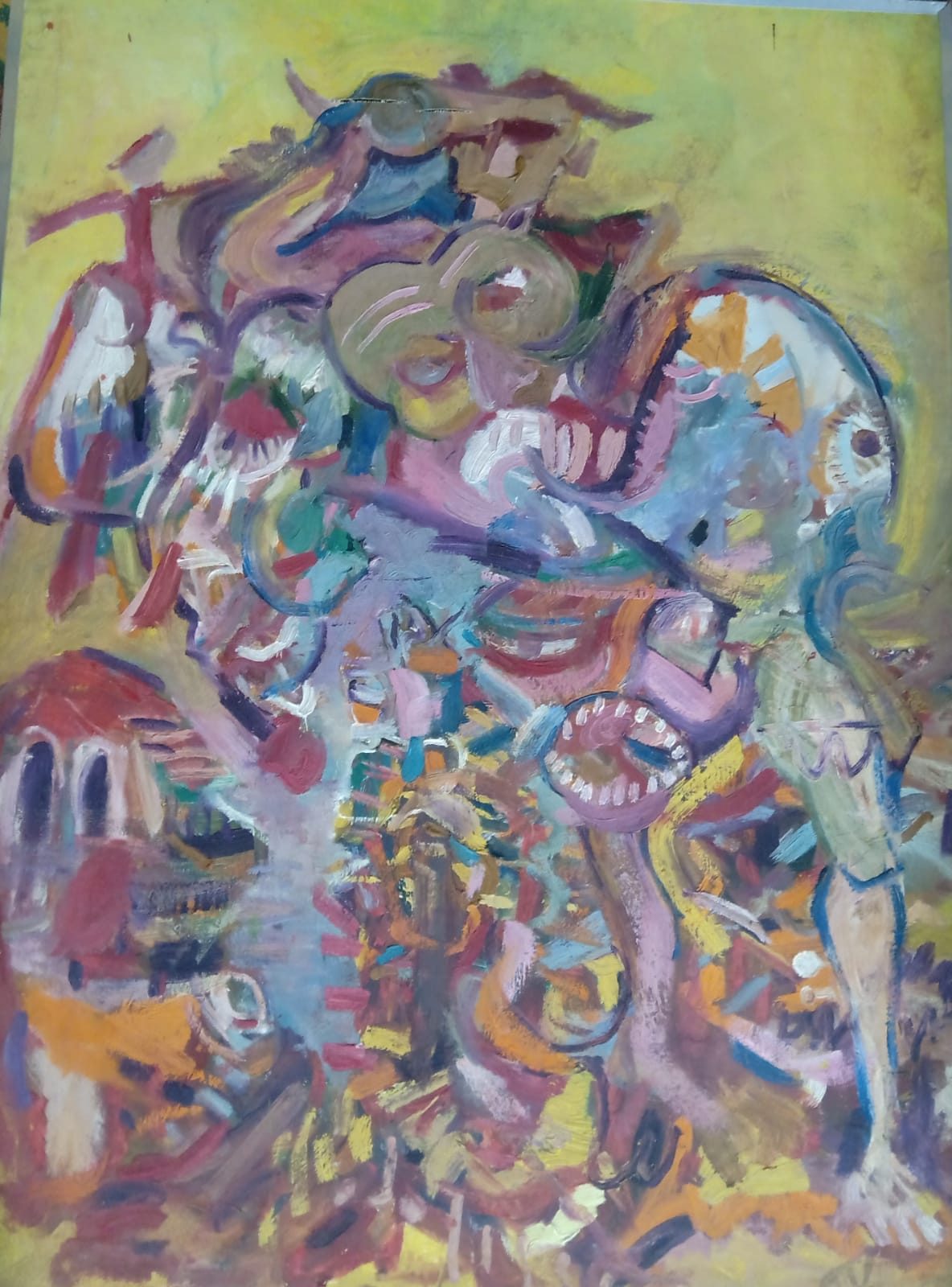

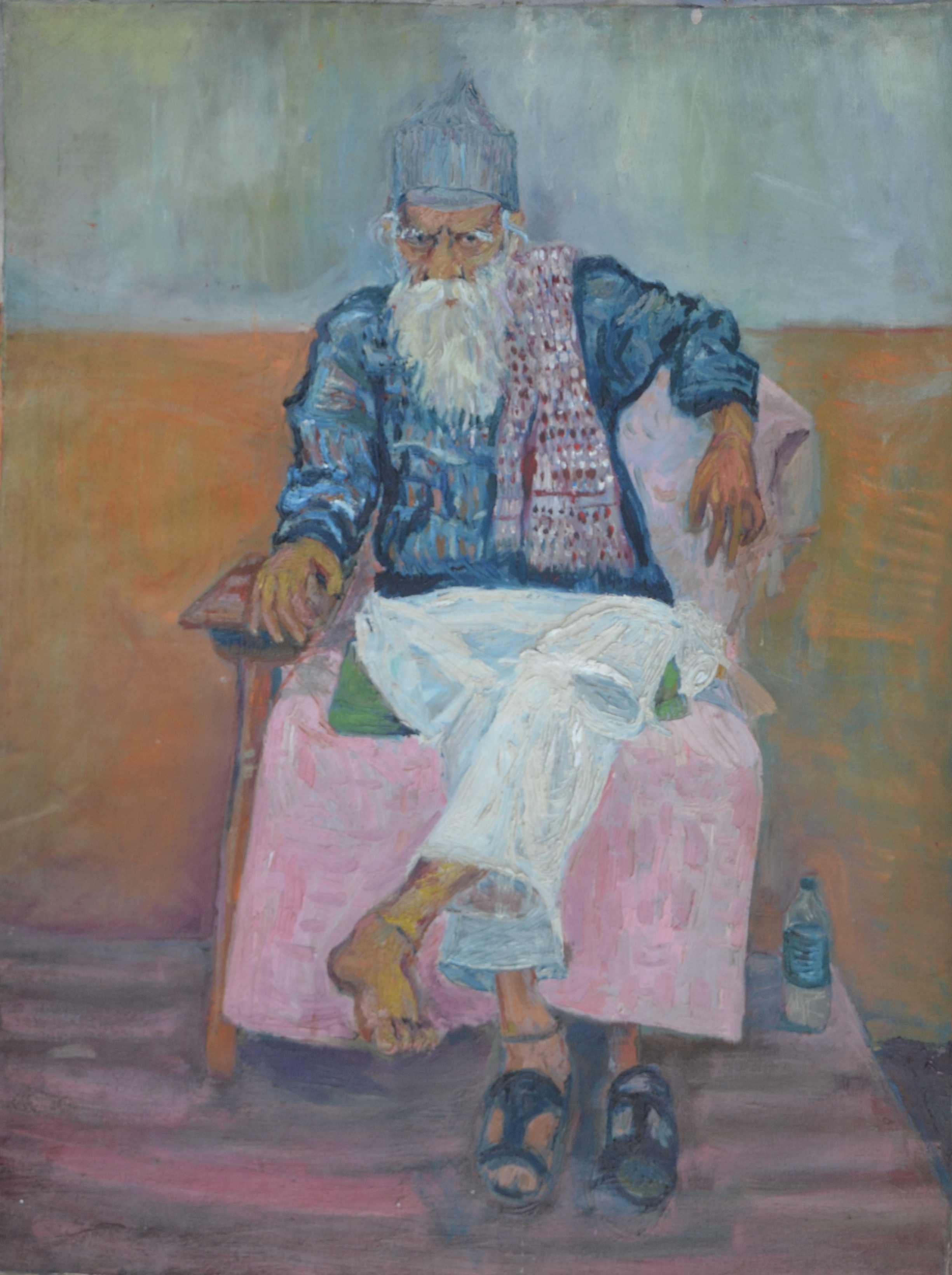
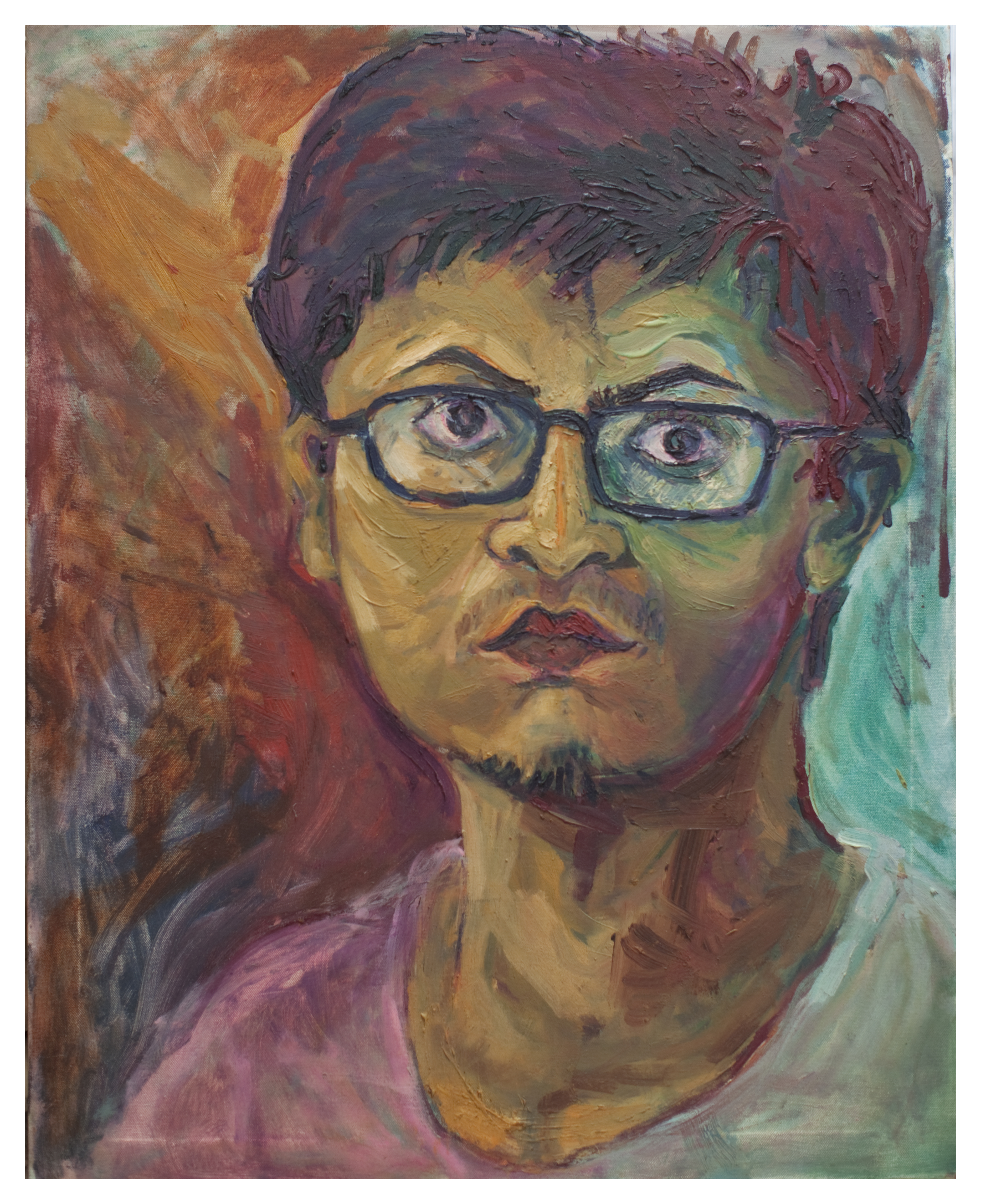
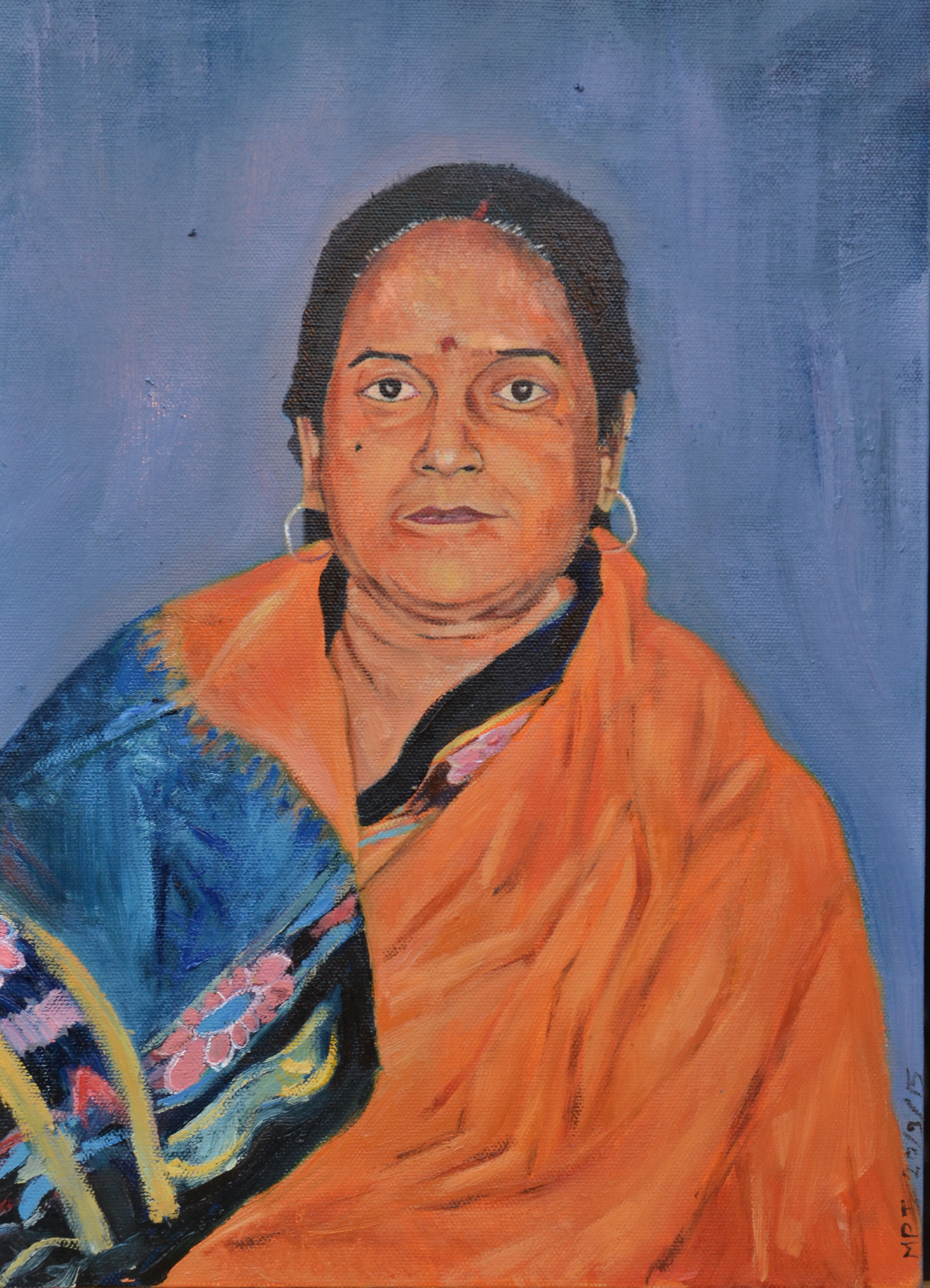
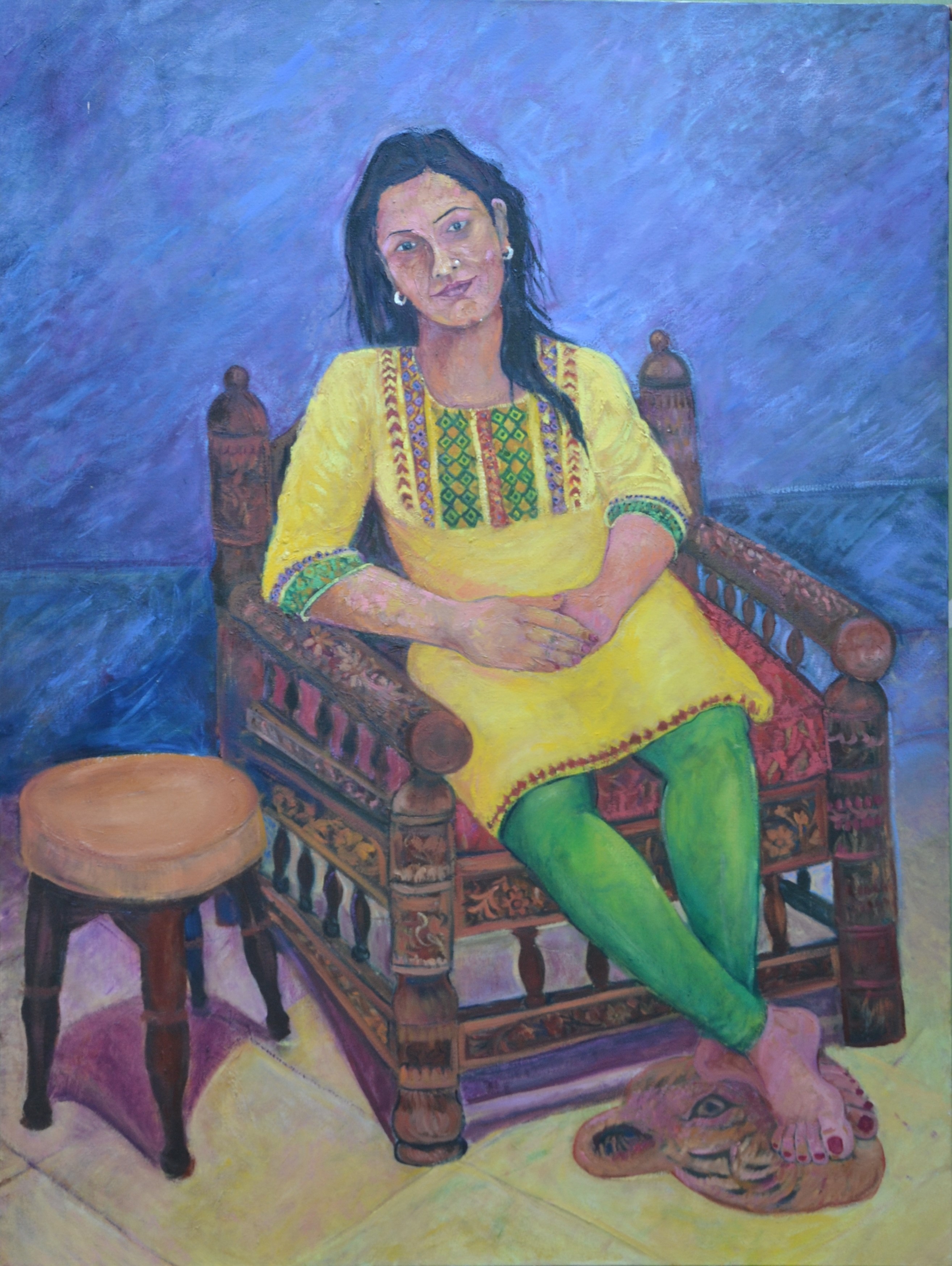
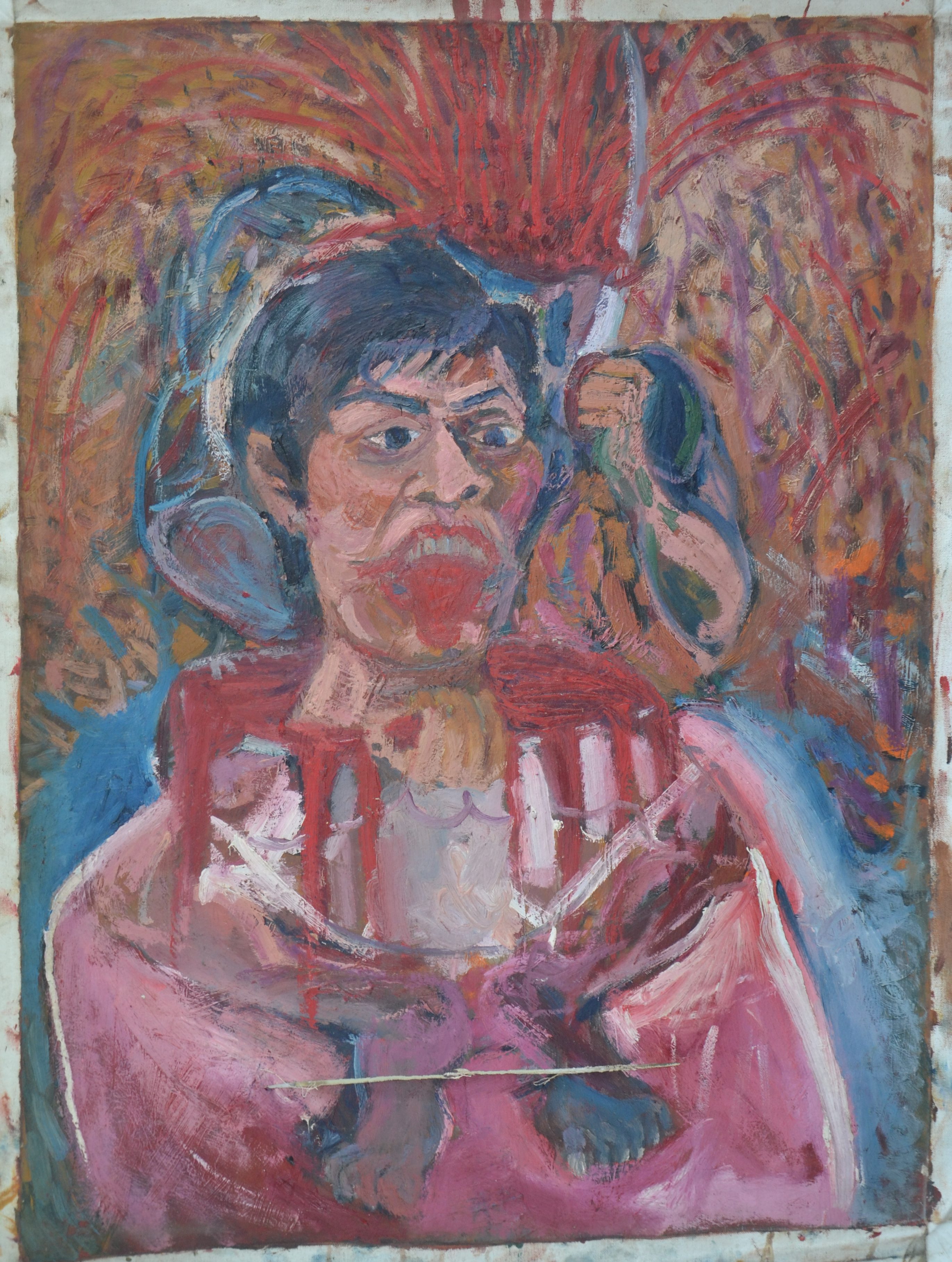
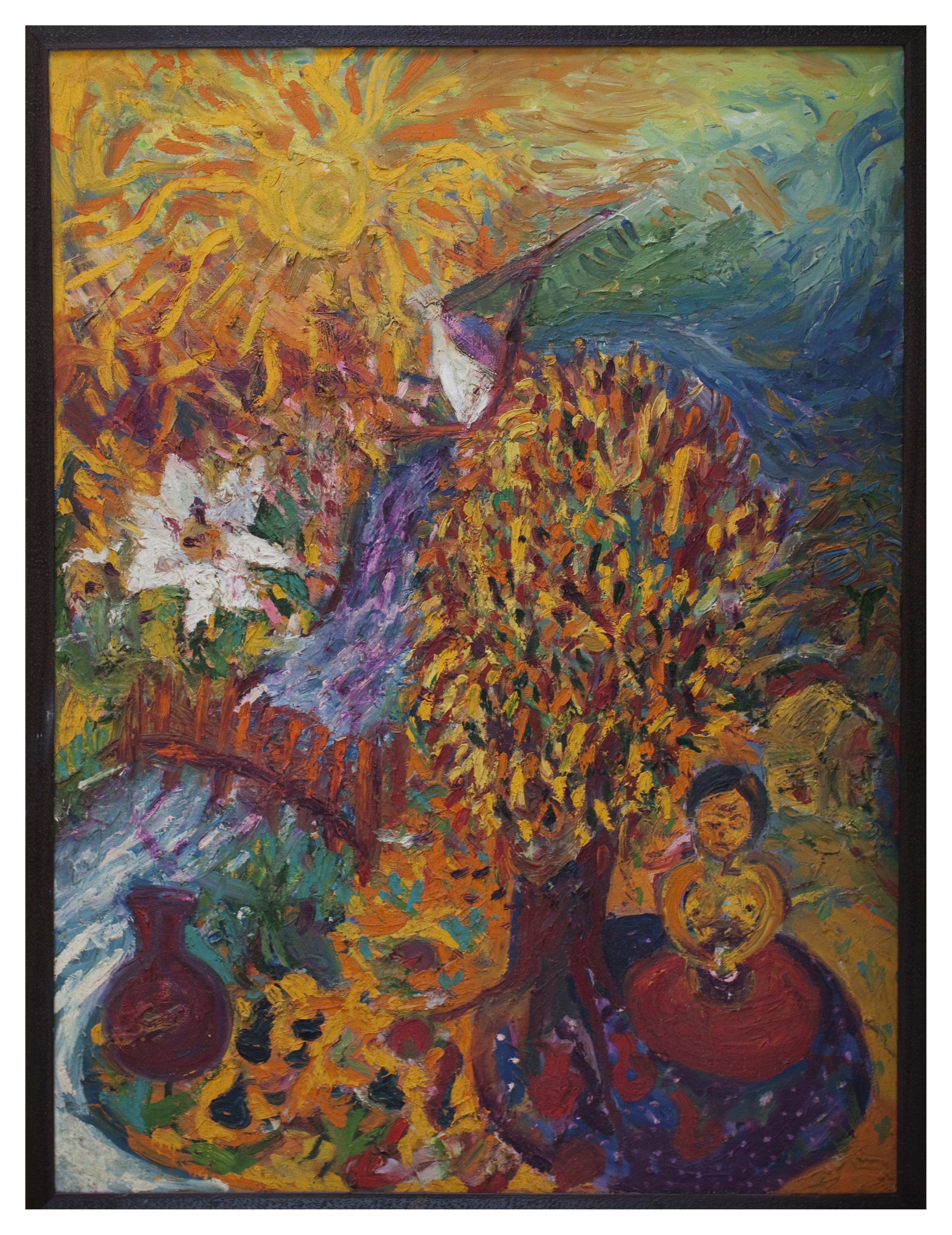
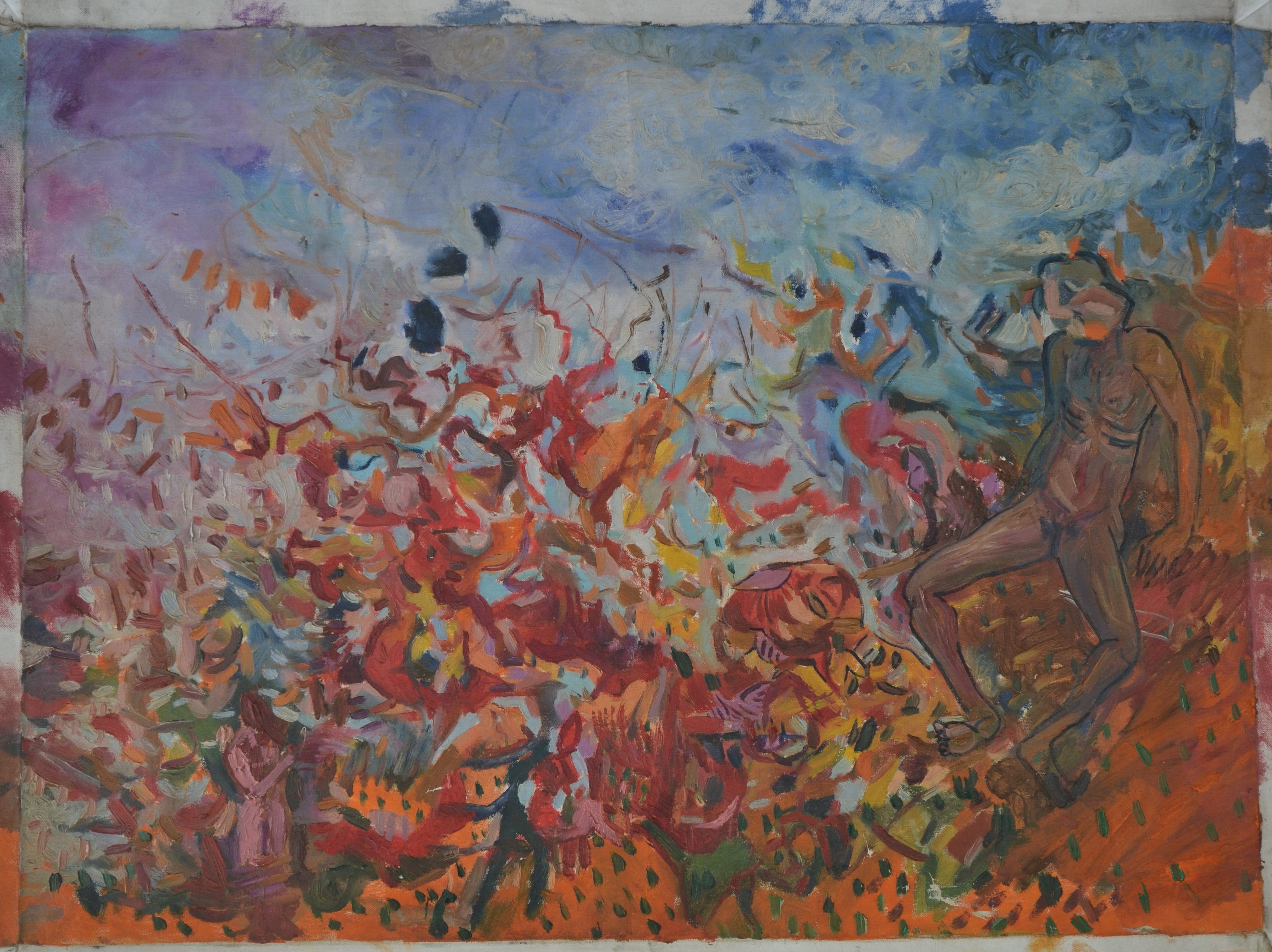


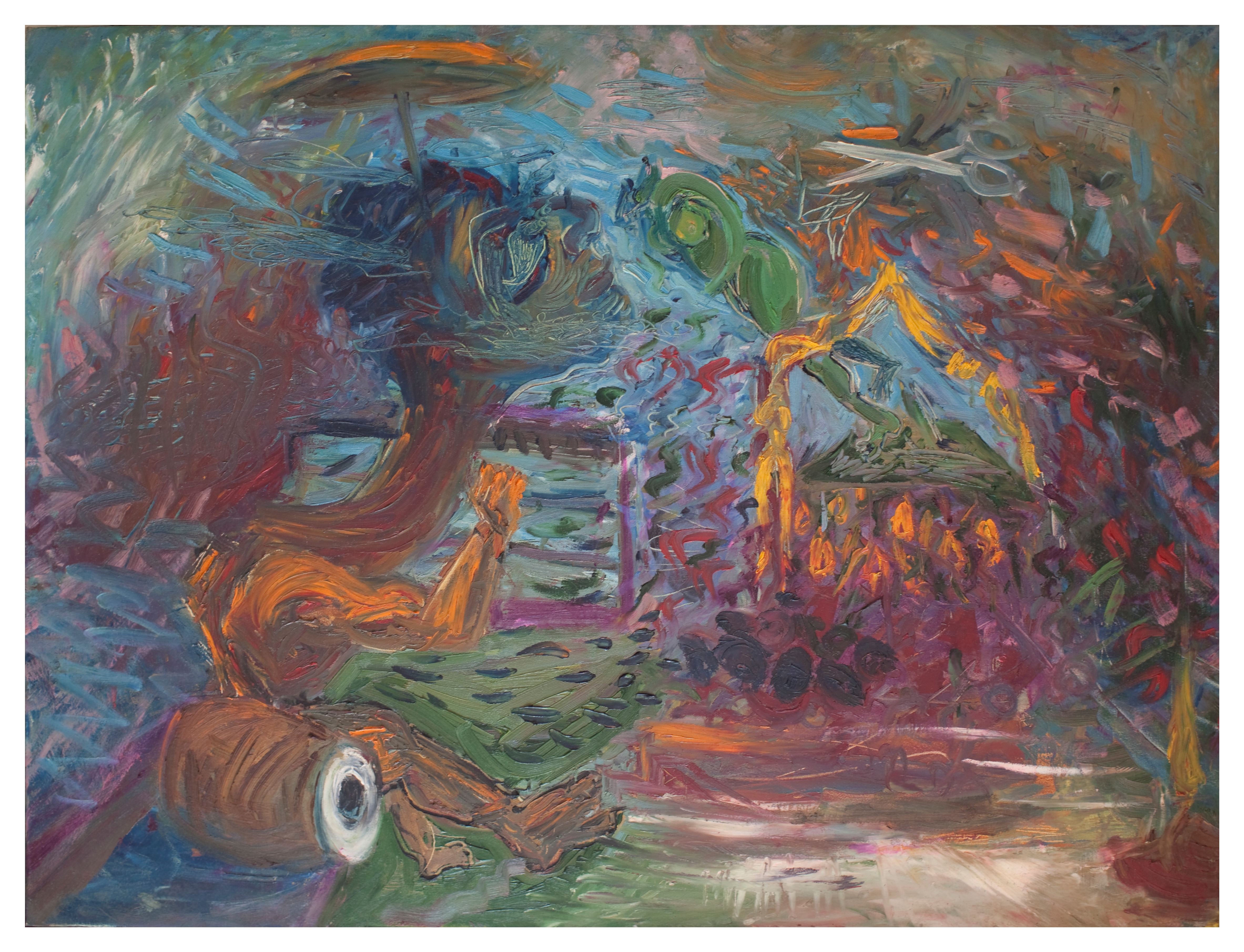
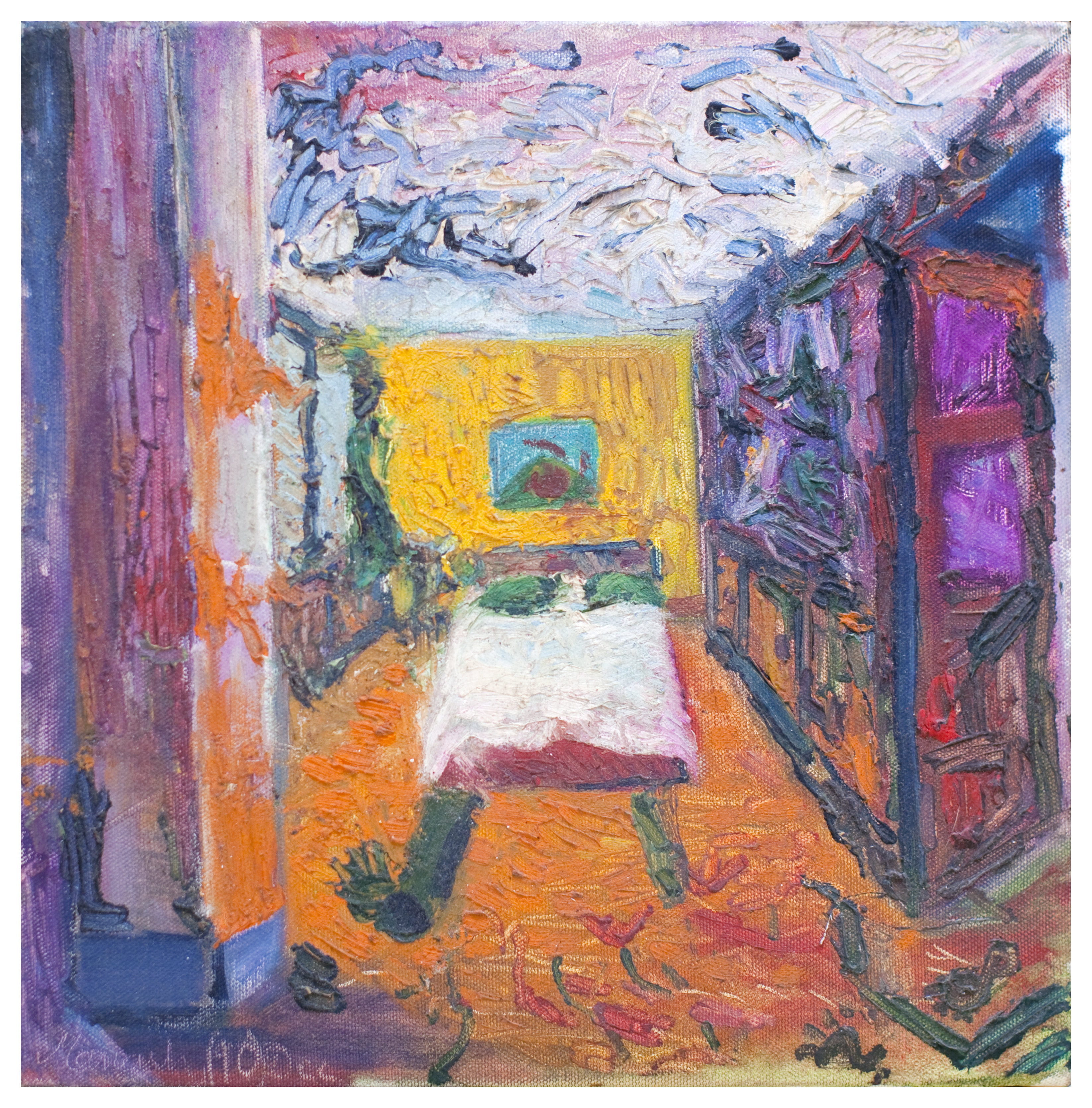
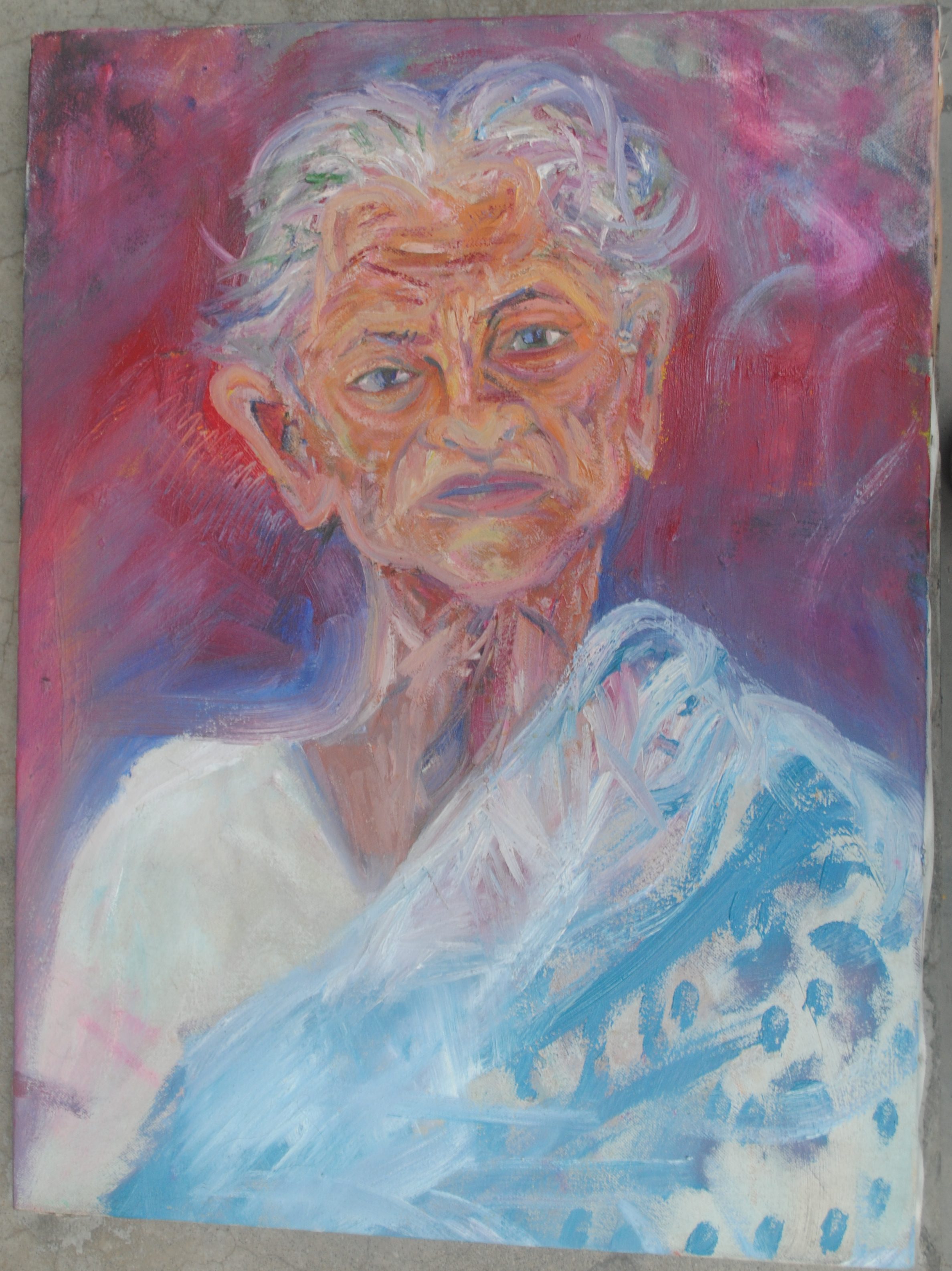


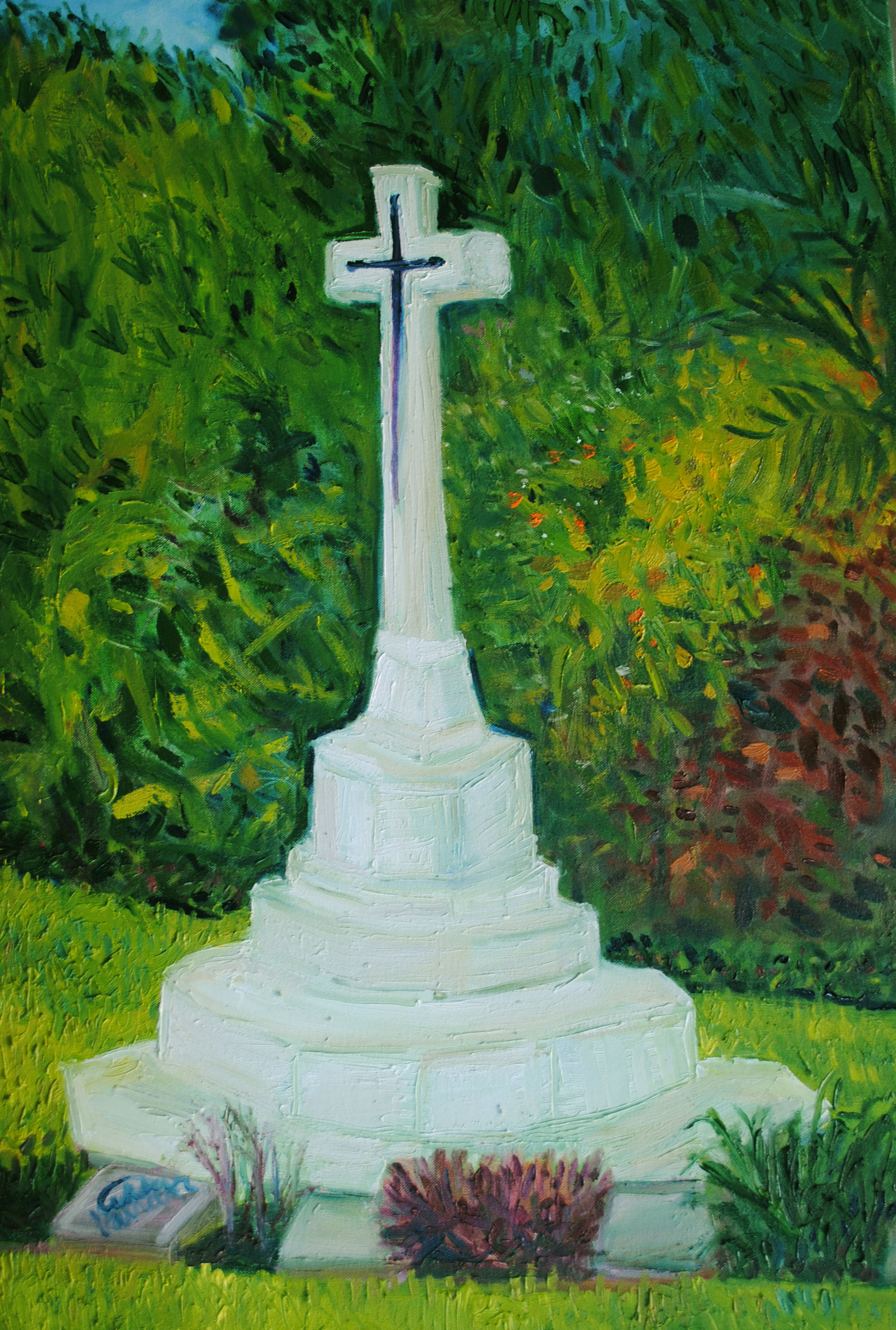

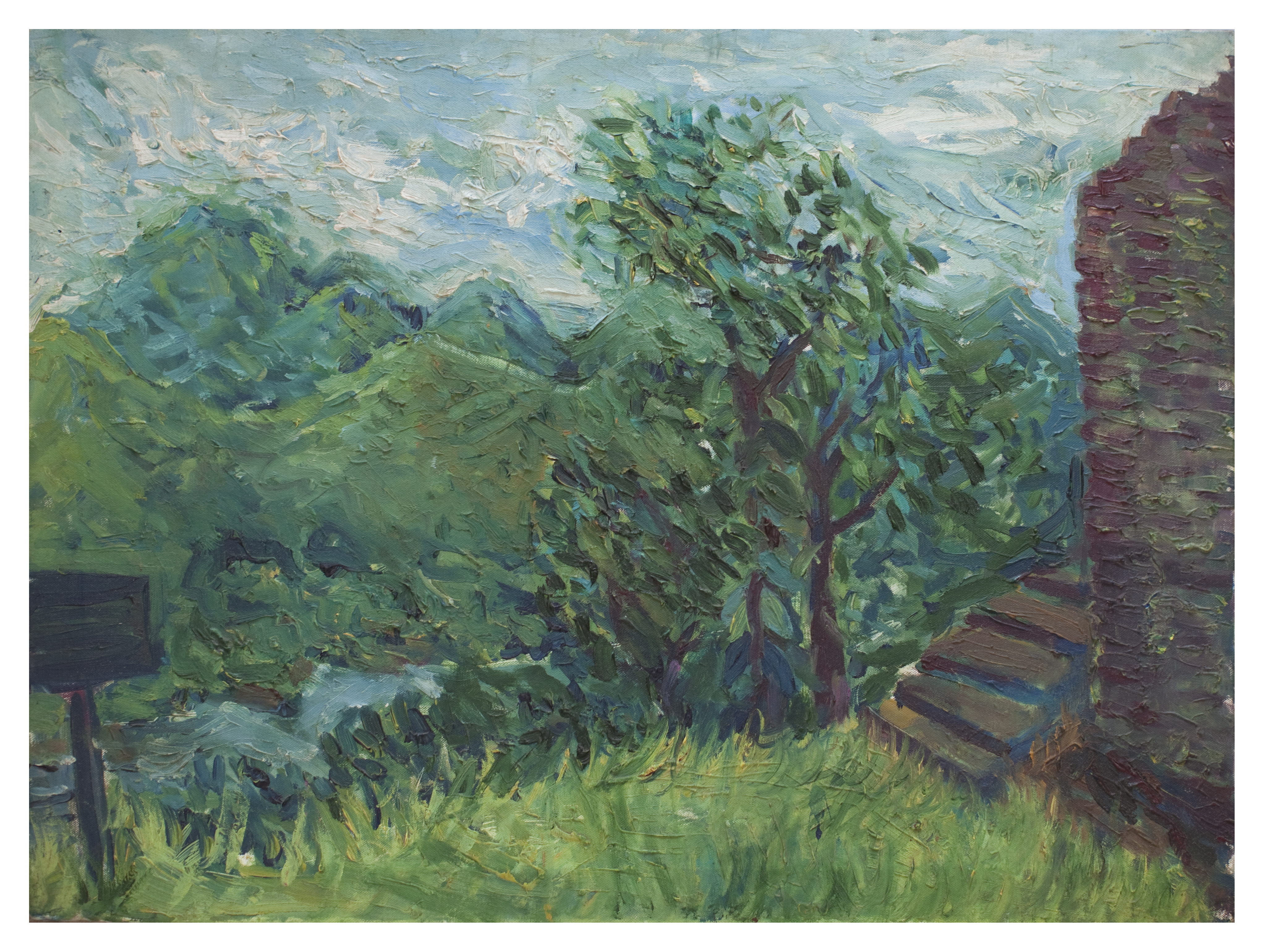

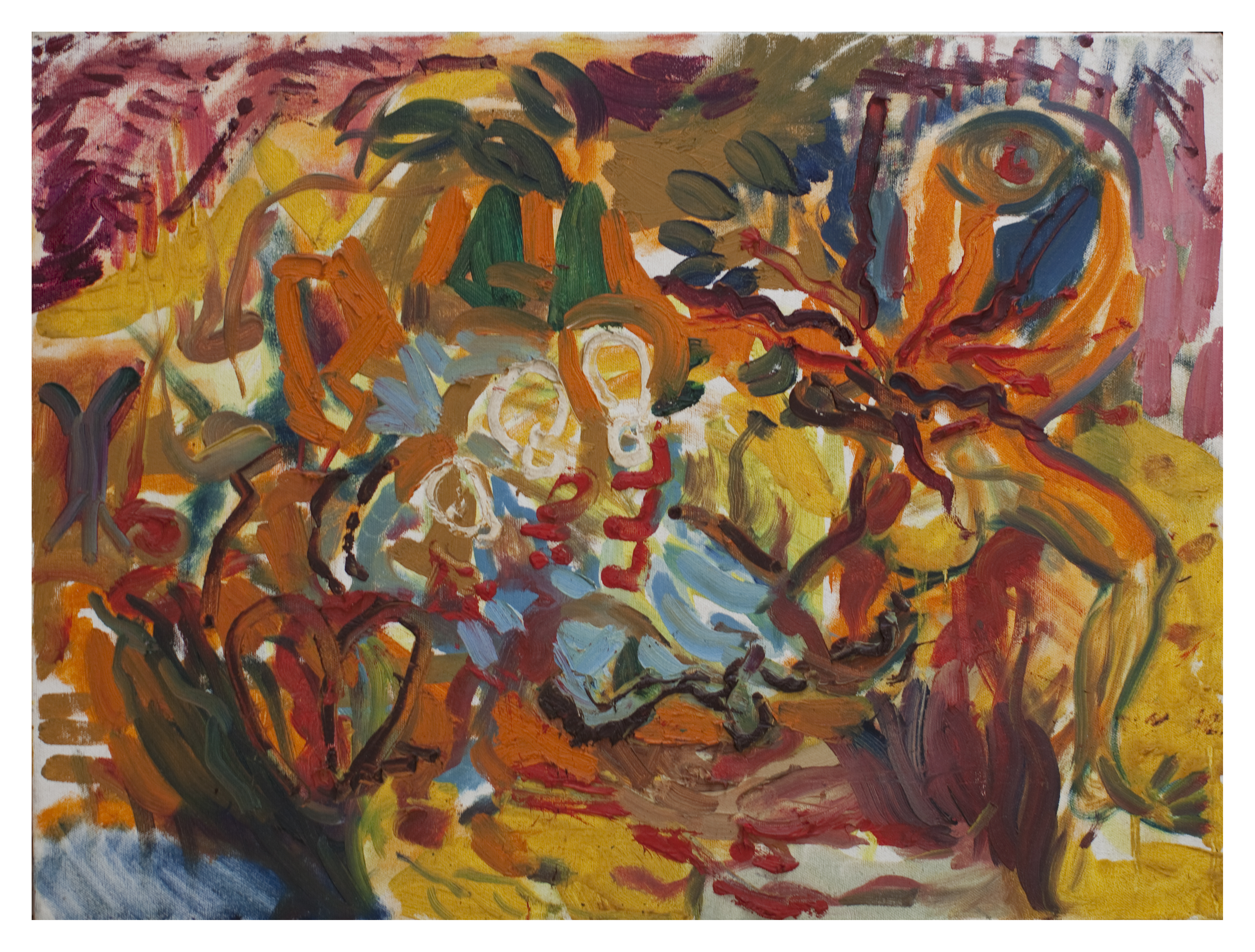


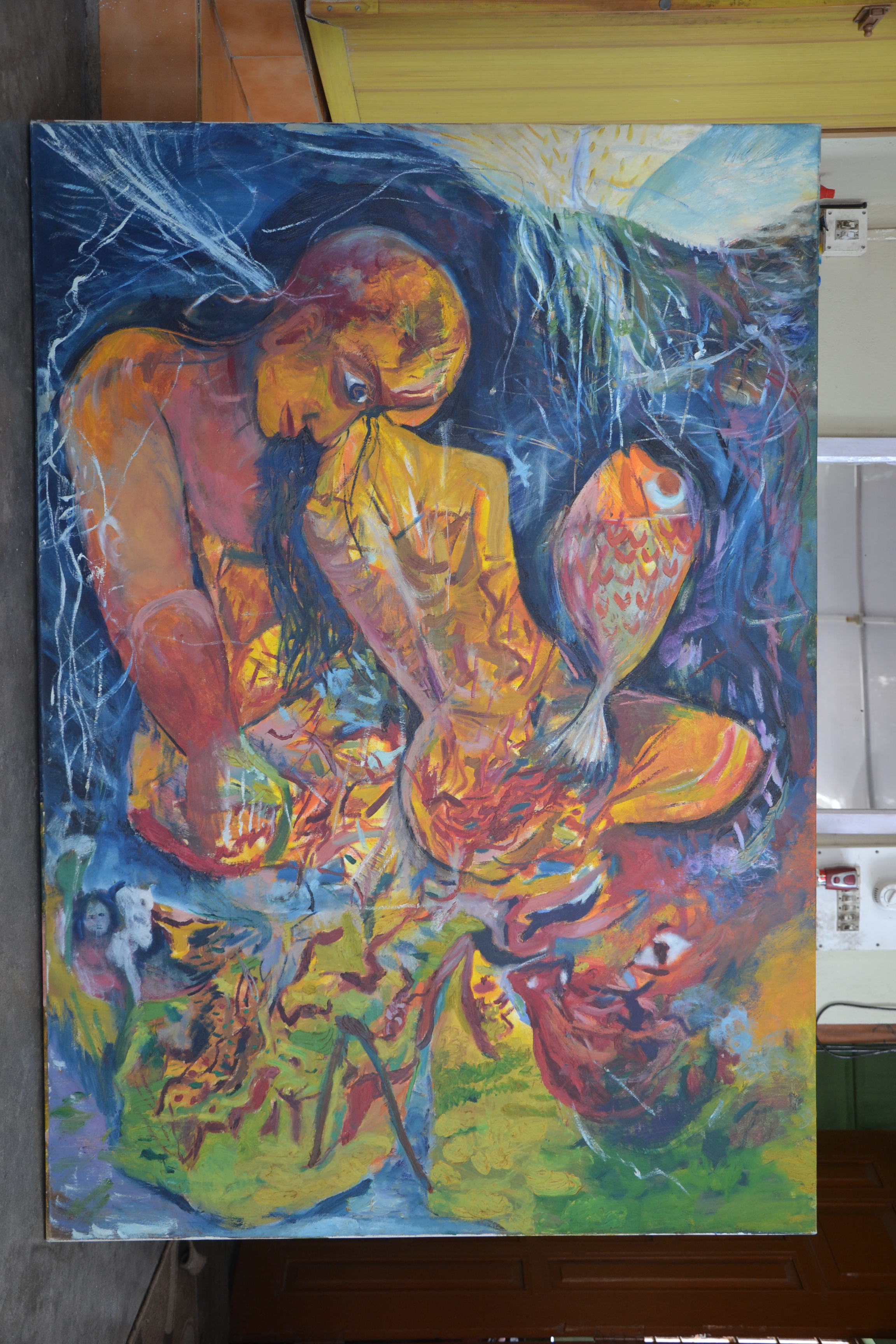


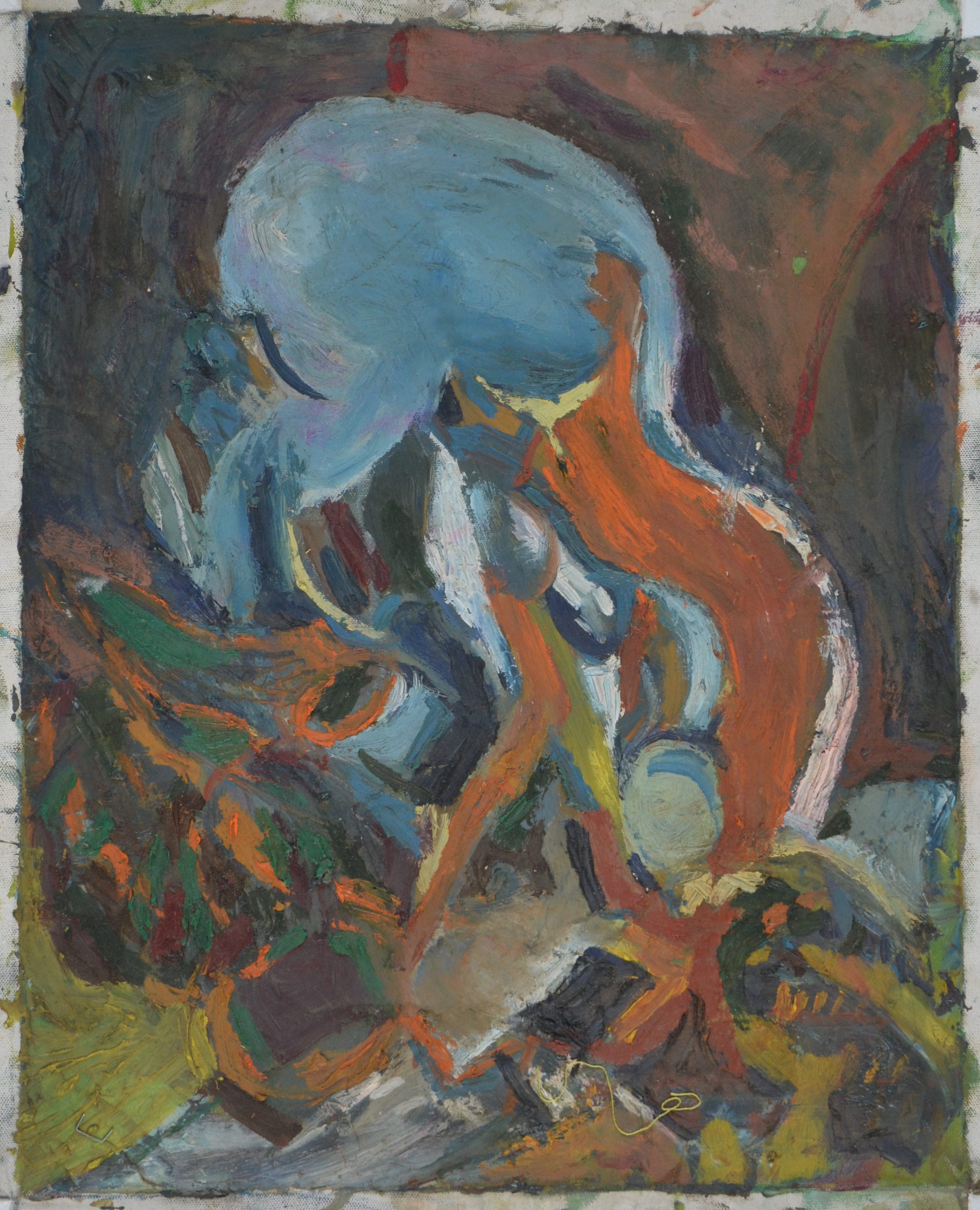
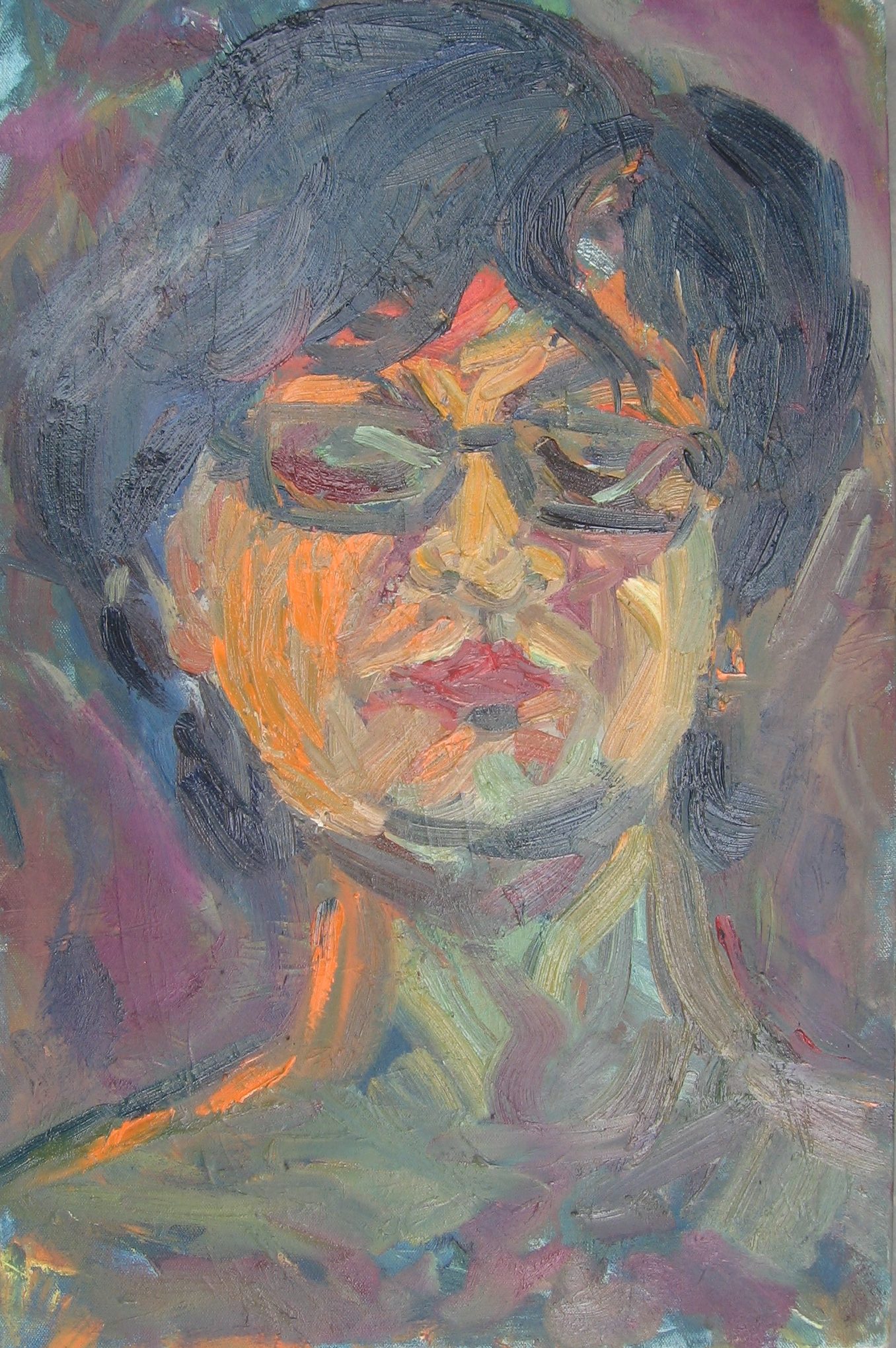

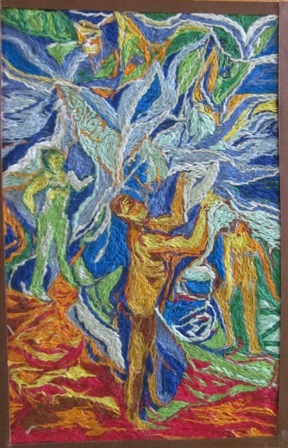
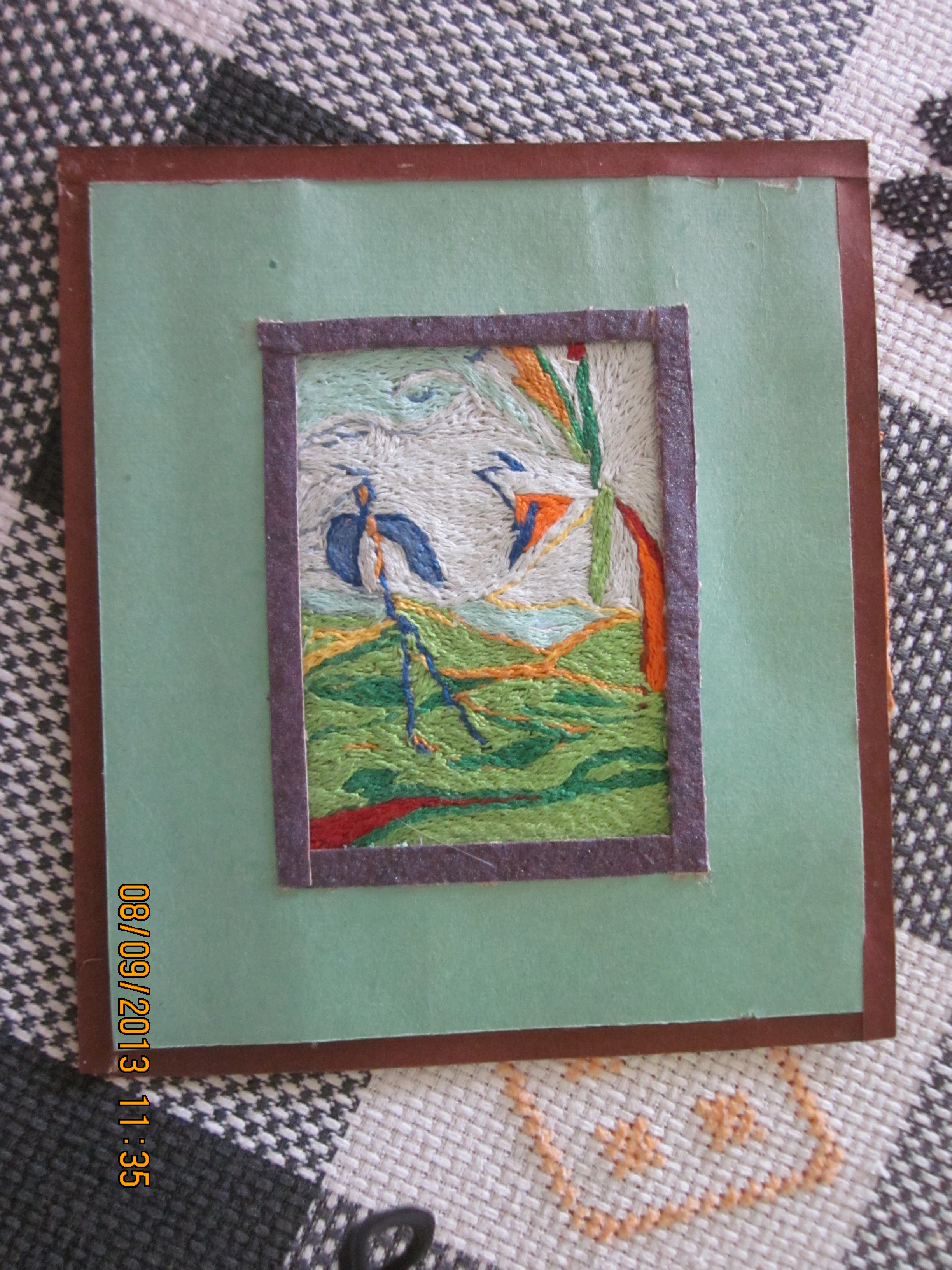
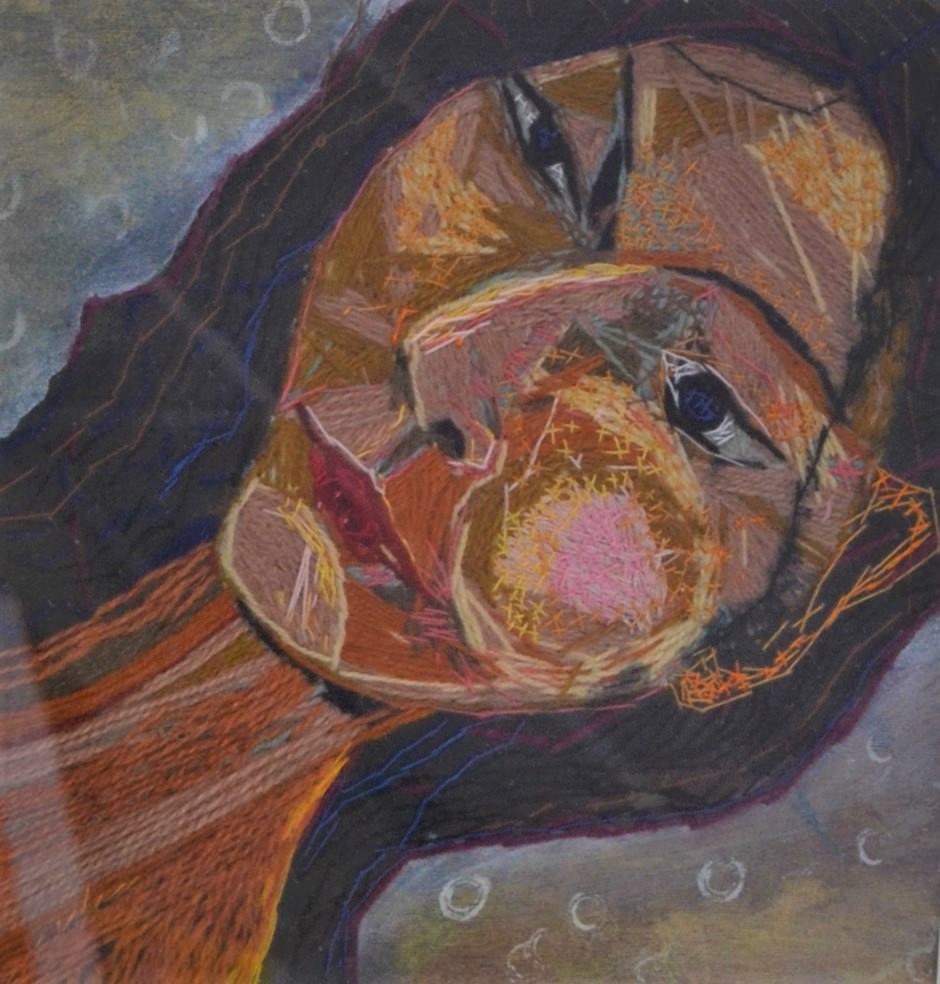
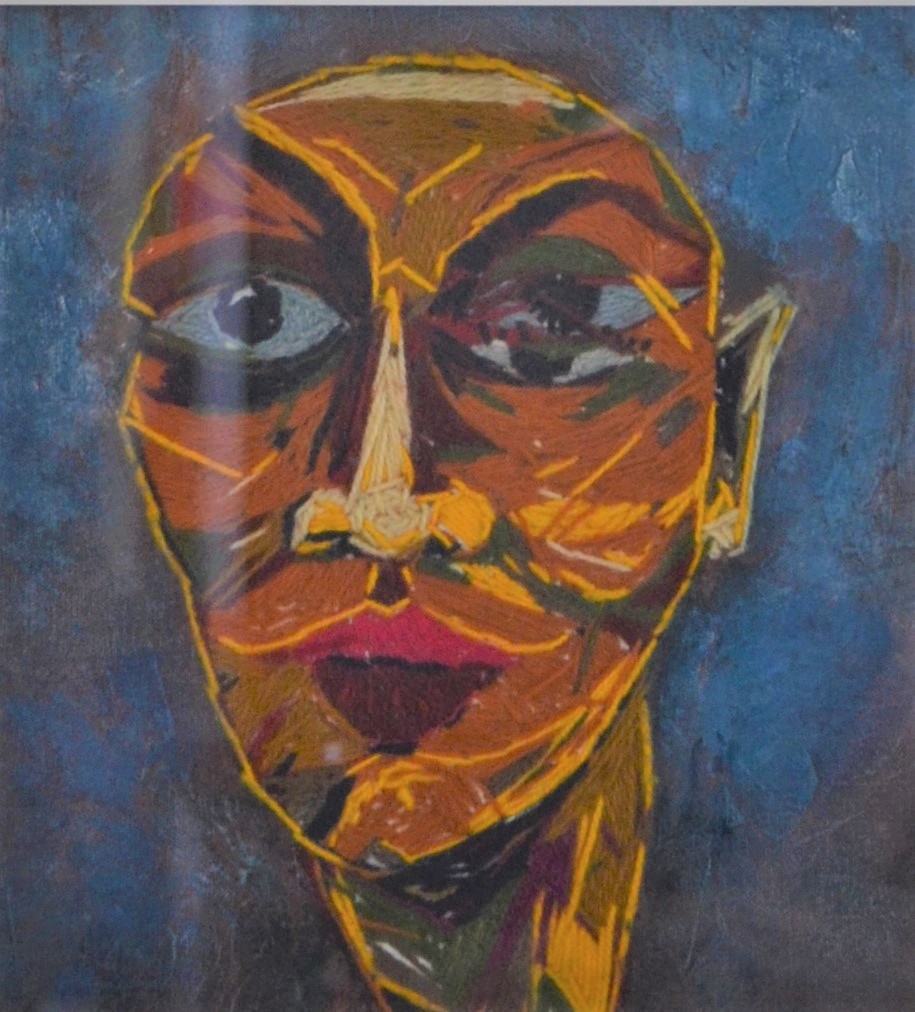
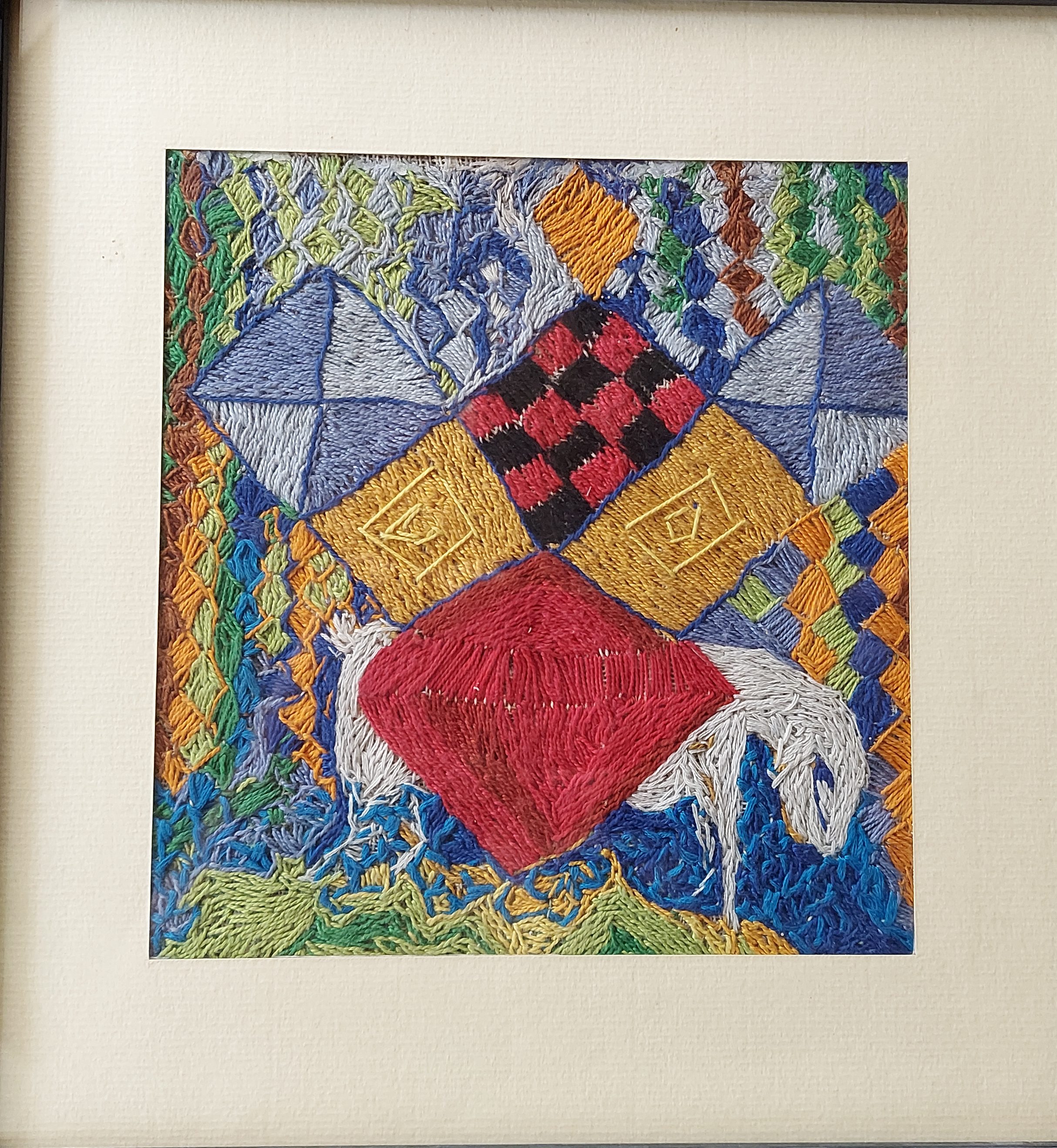
Those students who excelled and achieved high grades were given the privilege of choosing from various subsidiary subjects, including Lithography, Etching, Mural, and Weaving. However, very few opted for Weaving, likely due to its reputation for being demanding and time-consuming, as the intricate techniques required considerable patience and skill. Consequently, those who struggled with their grades often had no choice but to take Weaving, feeling compelled into a subject that did not align with their interests or skills, which led to creating an atmosphere of discontent among students who felt trapped in a program misaligned with their aspirations. Manash, in particular, had no choice but to enroll in Weaving and was expected to achieve good grades at the end of the term, despite his initial reluctance towards the subject. Since he was compelled to pursue Weaving, he managed to derive enjoyment out of the painstaking process, discovering a sense of rhythm and creativity within the repetitive motions involved in the craft. The tendency to subvert the medium can be seen in his early works in textile, where he began to experiment with unconventional patterns and colors. These innovative works were not only appreciated by the teachers but also garnered respect from his peers, leading to a burgeoning reputation that even found a spot in the college’s annual magazine. Although, at the end of the course, he didn’t manage to pass with flying grades, the experience fostered a newfound passion for textile arts that would continue to influence his creative journey in ways he never anticipated.



 Slate Nest- CONTEMPORARY ART SPACE